Memorials stand as enduring tributes, silent storytellers of lives cherished and legacies remembered. They are more than just stone or bronze; they are profound symbols of love, respect, and remembrance. Ensuring their longevity is a deeply personal act, reflecting our desire for these markers to withstand the test of time, just as the memories they represent do. At Gaulden Monuments, we understand the profound significance of each memorial, and our commitment extends beyond creation to helping families preserve these precious tributes for generations. While built to last, memorials are exposed to the elements and require thoughtful care to maintain their beauty and integrity. This guide offers practical tips to prevent damage and ensure your loved one's memorial remains a pristine testament to their life.
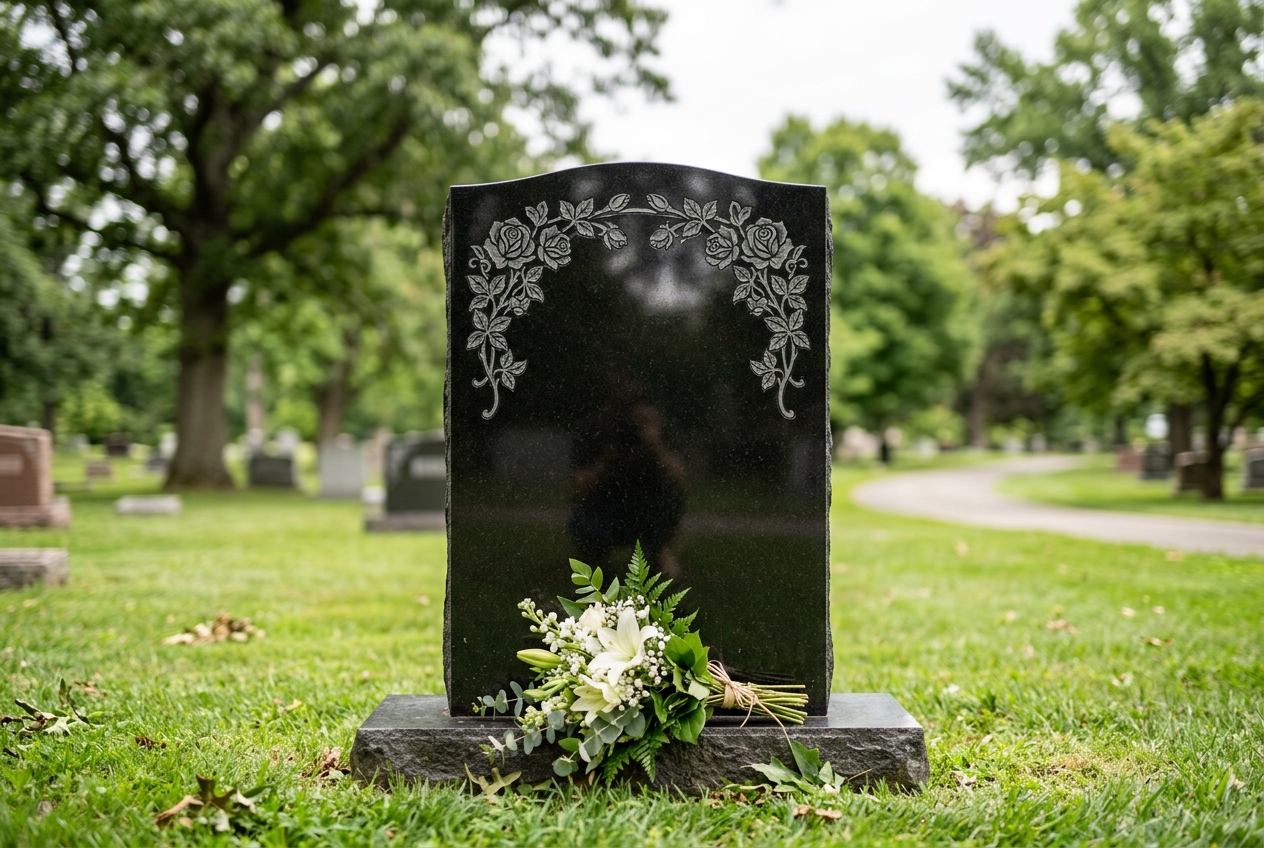
Understanding the Elements: Common Threats to Memorials
The natural world, while beautiful, can be a relentless force against even the most durable materials. Memorials, standing outdoors, are constantly subjected to a variety of environmental stressors that can lead to wear and tear over time.
Nature's Impact: Moss, Lichen, and Algae
One of the most common challenges is the growth of biological organisms like moss, lichen, and algae. These growths thrive in damp, shaded conditions and can cling tenaciously to stone surfaces. Not only do they obscure inscriptions and alter the aesthetic appearance, but their root-like structures can also slowly degrade the stone, trapping moisture and encouraging further deterioration. Regular, gentle removal is key to preventing these organisms from taking hold and causing long-term damage.
The Silent Threat: Pollution and Environmental Factors
Beyond biological growth, memorials face threats from atmospheric pollution, acid rain, and even the daily cycle of freezing and thawing. Airborne pollutants can accumulate on surfaces, forming a grime that is difficult to remove and can chemically react with certain materials. Acid rain, a consequence of industrial emissions, can etch and pit stone surfaces over decades. In colder climates, water seeping into microscopic cracks and then freezing can expand, gradually causing fissures and spalling (flaking) in the stone. Even prolonged exposure to direct sunlight can fade certain finishes or cause subtle changes in color over many years.
Best Practices for Memorial Cleaning and Care
Maintaining a memorial doesn't require extensive effort, but rather a consistent and gentle approach. The goal is to clean without causing further damage, preserving the integrity of the material and the clarity of the inscription.
Gentle Cleaning Techniques
For routine cleaning, simplicity is often best. Start with clean, fresh water and a soft-bristled brush or cloth. For more stubborn dirt or biological growth, a mild, non-ionic soap (like dish soap without harsh chemicals or degreasers) diluted in water can be very effective. Apply the solution, allow it to sit for a few minutes to loosen grime, and then gently scrub in small sections. Always rinse thoroughly with plenty of clean water to remove all soap residue, which can attract more dirt if left behind. Work from the bottom up to avoid streaking.
What to Avoid
Just as important as knowing what to do is knowing what not to do. Never use harsh abrasive cleaners, wire brushes, or scouring pads, as these can scratch and permanently damage the surface of the memorial. Avoid strong chemical cleaners like bleach, ammonia-based products, or acidic solutions, which can stain, etch, or discolor stone and bronze. Pressure washers, while seemingly efficient, can force water into micro-fissures, leading to damage, especially in colder climates where freezing can occur, and can even erode softer stone or mortar. Opt for a gentle stream from a garden hose instead.
Material Matters: Specific Care Considerations
Different memorial materials possess unique characteristics and thus require slightly varied care approaches.
Caring for Granite Memorials
Granite is renowned for its durability and resistance to weathering, making it an excellent choice for memorials. Its hard, non-porous surface is generally easy to clean. The primary concern is preventing the buildup of surface dirt, moss, and lichen. Following the gentle cleaning techniques outlined above with mild soap and water is usually sufficient. Avoid oil-based products or waxes on polished granite, as they can leave a greasy film or attract dust.
Maintaining Bronze Plaques and Elements
Bronze, often used for plaques, statues, or embellishments, develops a natural patina over time—a greenish-brown layer that protects the metal beneath. This patina is generally desirable and should not be removed. If the bronze appears dull or has uneven discoloration, a very gentle cleaning with mild soap and water can be performed. Special bronze waxes or sealants can be applied periodically to protect the surface and maintain an even appearance, but always consult with a professional to ensure the correct product is used.
The Role of Professional Maintenance and Gaulden Monuments
While regular, gentle care can go a long way, some situations call for professional expertise. Gaulden Monuments not only creates beautiful memorials but also understands the intricacies of their long-term preservation.
Expert Assistance for Complex Issues
For deep-seated stains, significant biological growth that resists gentle cleaning, or structural damage such as cracks, chips, or leaning, it's always best to consult with professionals. Our team at Gaulden Monuments has the specialized knowledge, tools, and experience to safely and effectively restore memorials. We can assess the specific material and type of damage, recommend appropriate treatments, and perform delicate repairs or comprehensive cleaning without compromising the memorial's integrity. Trying to fix complex issues yourself can inadvertently lead to more extensive and costly damage.
Proactive Preservation: Keeping Memorials Pristine
Prevention is always better than cure, especially when it comes to preserving something as meaningful as a memorial.
Regular Inspections and Site Upkeep
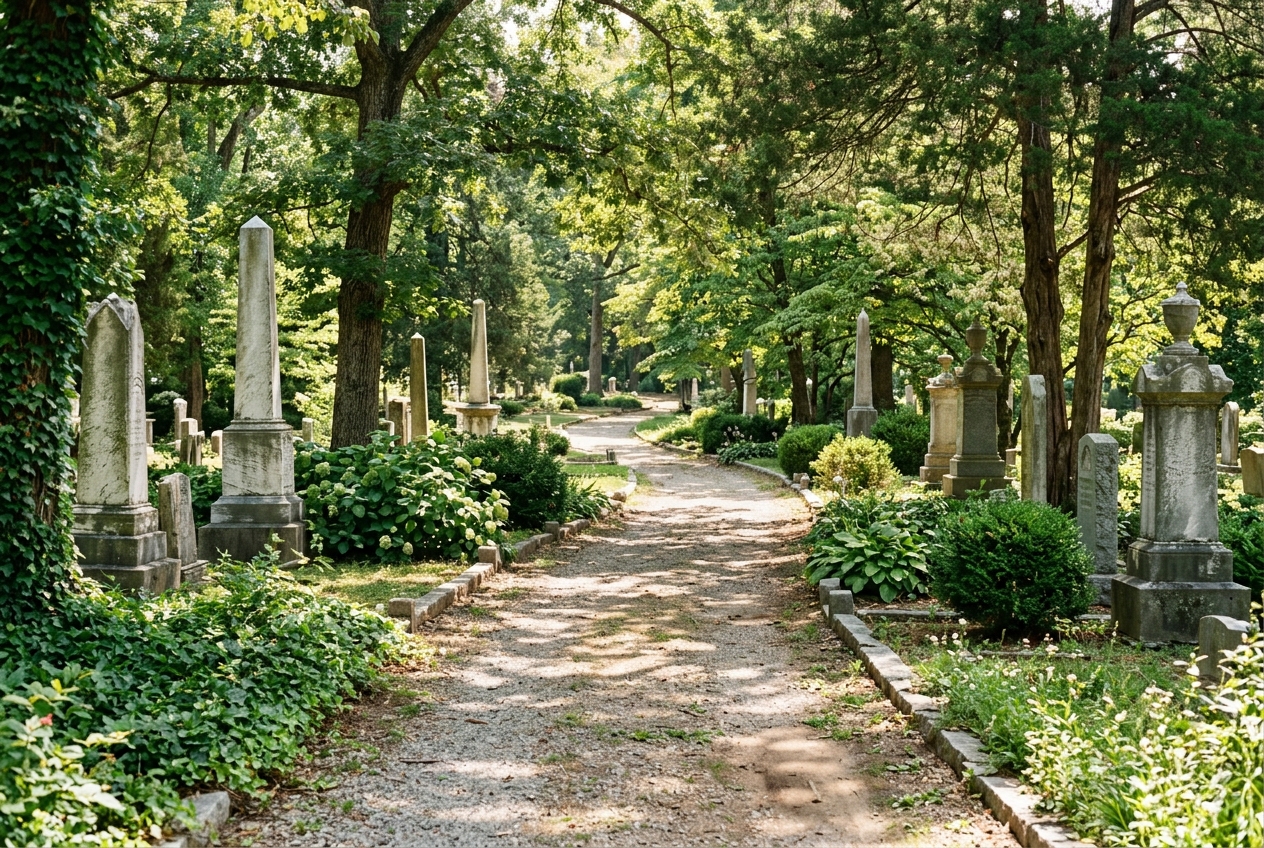
Make it a practice to visit the memorial periodically and conduct a visual inspection. Look for any new cracks, leaning, or significant accumulation of dirt or growth. Keep the surrounding area clear of overhanging branches, fallen leaves, and encroaching vegetation. Trees and shrubs too close to the memorial can cast excessive shade, promoting moss growth, or their roots could potentially affect the memorial's foundation Gaulden Monuments bronze grave markers Rock Hill SC over time. A clear area around the memorial also allows for better air circulation and sunlight exposure, helping to keep surfaces drier.
Choosing Quality Materials from the Start
The foundation of a long-lasting memorial begins with the quality of its materials and craftsmanship. At Gaulden Monuments, we pride ourselves on using only the finest granite and bronze, sourced for their durability and beauty. Our experienced artisans employ time-honored techniques combined with modern precision to create memorials that are not only aesthetically exceptional but also structurally sound. Investing in a high-quality memorial from a reputable provider like Gaulden Monuments ensures that your tribute is built to endure, minimizing future maintenance concerns and offering peace of mind.
Conclusion: Honoring Legacies Through Lasting Care
A memorial is a sacred space, a tangible connection to those we hold dear. By understanding the common threats and adopting simple, consistent care practices, we can significantly extend the life and beauty of these cherished tributes. From gentle cleaning to knowing when to seek professional help from Gaulden Monuments, every effort contributes to preserving the stories, memories, and love etched into stone and bronze. Through diligent care, we ensure that these lasting symbols continue to honor legacies and provide comfort for generations to come, standing as steadfast reminders of lives well-lived and profoundly missed.